

How to Prevent Bed Bugs When Planning Kids Returning from College, Holiday Travel & More
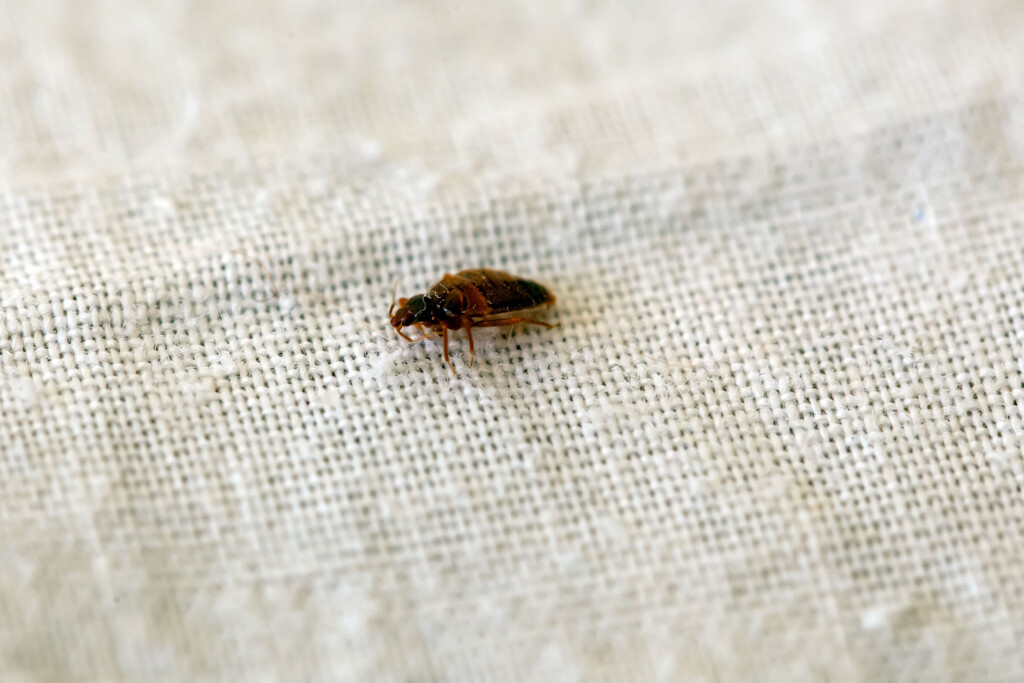
The holiday season brings family reunions, travel, and festive gatherings. Unfortunately, it is also peak season for bed bug infestations. Increased travel across hotels, public transit, and college dormitories creates ideal conditions for these parasitic hitchhikers to move from location to location.
Key Takeaways:
- High student density and increased holiday travel make the winter season peak time for bed bug infestations to spread across hotels, transit, and homes.
- Thoroughly inspecting hotel rooms before unpacking—specifically checking mattress seams, headboards, and furniture—is essential for preventing travel-related hitchhikers.
- Using protective mattress encasements, furniture interceptor traps, and keeping bags off public floors serve as vital early defense mechanisms.
- Confirming an active infestation requires looking for physical signs beyond bite marks, and eradication typically demands professional pest control intervention rather than consumer sprays.
Because bed bugs can lay up to 500 eggs in a lifetime and go weeks without feeding, preventing a single hitchhiker from entering your home is critical. Use this guide to protect your household during holiday travel and when students return home from college dorms.
1. Protecting Your Home When College Students Return
Dormitories and shared student housing are high-density environments where bed bugs spread quickly. When college students pack up for winter break, they can unknowingly bring pests home in their laundry and luggage.
- Inspect Luggage Before Packing: Have your student inspect the seams, zippers, and inner linings of their suitcases and backpacks using a flashlight before packing up their dorm room.
- Isolate Gear Upon Arrival: Establish a drop zone near the entrance of your home or in a laundry room. Avoid placing bags, backpacks, or coats directly on carpets, upholstered furniture, or beds.
- Run a High-Heat Laundry Cycle: Wash all clothing—both clean and dirty—immediately upon arrival. Dry the items on high heat for at least 30 to 45 minutes. The extreme heat is what kills bed bugs and their eggs, not the water or detergent alone.
- Freeze Non-Washable Belongings: For items that cannot withstand high-heat drying (such as delicate fabrics, books, or electronics), place them in a sealed bag inside a deep freezer set to $0^\circ\text{F}$ ($-18^\circ\text{C}$) or colder for a minimum of 4 continuous days.
Note: Do not rely on an outdoor garage or porch for freezing. Ambient winter temperatures fluctuate too much to guarantee lethal, sustained cold. - Inspect Electronics: Bed bugs seek out dark, warm crevices and can hide in laptop vents or monitor casings. Check student electronics closely if there has been a known outbreak in their residence hall.
2. Bed Bug Prevention for Holiday Travel & Hotels
Whether you are staying at a hotel, an Airbnb, or visiting family, commercial lodging and shared transit hubs are common transfer points for hitchhiking pests.
Hotel Room Inspection Protocol
- Place luggage on the bathroom tile or an elevated metal luggage rack away from walls and upholstered furniture.
- Pull back bed linens and mattress pads to inspect mattress corners, box spring seams, and tufts.
- Examine the back of the headboard, adjacent nightstands, and bedside lamp bases with a flashlight.
- Look for live bugs, shed nymph skins, or dark reddish-brown fecal spots on bedding and furniture.
Hotel Room Action Steps
- Perform a Room Inspection: Complete the checklist above before unpacking any personal belongings.
- Respond Immediately to Evidence: If you find signs of bed bugs, request a room change immediately. Ensure your new room is not directly adjacent to, above, or below the infested room, as bed bugs easily travel through wall voids and electrical conduits.
Public Transit & Outings
- Keep Bags Off the Floor: On buses, trains, and planes, keep personal bags resting on your lap or on overhead hard racks rather than carpeted floors.
- Inspect Public Seating: Check upholstered seats in public venues like movie theaters or waiting lounges before sitting down.
3. Early Detection & Home Defense Measures
Detecting a bed bug presence early prevents a minor intrusion from turning into a full-scale infestation.
- Learn the True Signs of Bites: Bed bug bites often appear in small clusters or linear patterns of three (commonly referred to as “breakfast, lunch, and dinner”). However, bite reactions vary widely by individual, so bites alone are not a definitive confirmation.
- Install Encasements and Interceptors: Use lab-tested, zip-locking encasements on mattresses and box springs to eliminate internal hiding spots. Place bed bug interceptor cups under furniture legs to trap insects attempting to climb up.
- Reduce Household Clutter: While clutter does not attract bed bugs—they are drawn strictly to human body heat and carbon dioxide (CO2)—excess clutter provides harborages that make detection and treatment much harder.
- Inspect Second-Hand Goods: Carefully examine any pre-owned furniture, textiles, or decorations before bringing them inside during the holiday season.
What to Do If You Suspect an Infestation
If preventative measures fail and you detect an active bed bug infestation in your home, you should act quickly because the issue is highly unlikely to go away on its own.
- Contain the Area: Do not move infested furniture or items to other rooms in the house, as this spreads the pests.
- Contact Professionals: Bed bugs are exceptionally resilient to standard consumer bug sprays. Our bedbug exterminators are experienced pest control experts using specialized techniques—such as whole-home heat treatments and targeted applications. DIY bedbug control simply can’t match professional treatment when it comes to eradicating infestations at all life stages.
Protect Your Home from Bedbugs Today
Don’t let the threat of hitchhiking pests ruin your holiday season. While proactive inspection and high-heat laundering reduce your risk, bed bugs are notoriously resilient, elusive, and capable of multiplying exponentially in a matter of weeks. If you have recently returned from holiday travel, welcomed students home from college dormitories, or noticed suspicious signs around your sleeping areas, immediate action is essential to prevent a localized issue from becoming a costly, full-scale household infestation.
Call our licensed bed bug control experts today for total peace of mind. We utilize state-of-the-art techniques to find and eliminate bed bugs at every life stage—from hidden eggs to mature adults—in a single treatment cycle.
Should You Get a Canine Bedbug Inspection? For complex floor plans and hard-to-find harborages, our certified bed bug detection dog teams can locate hidden bed bugs quickly and accurately.
Get A Free Quote
Inquiries
(800) 236-8735


