

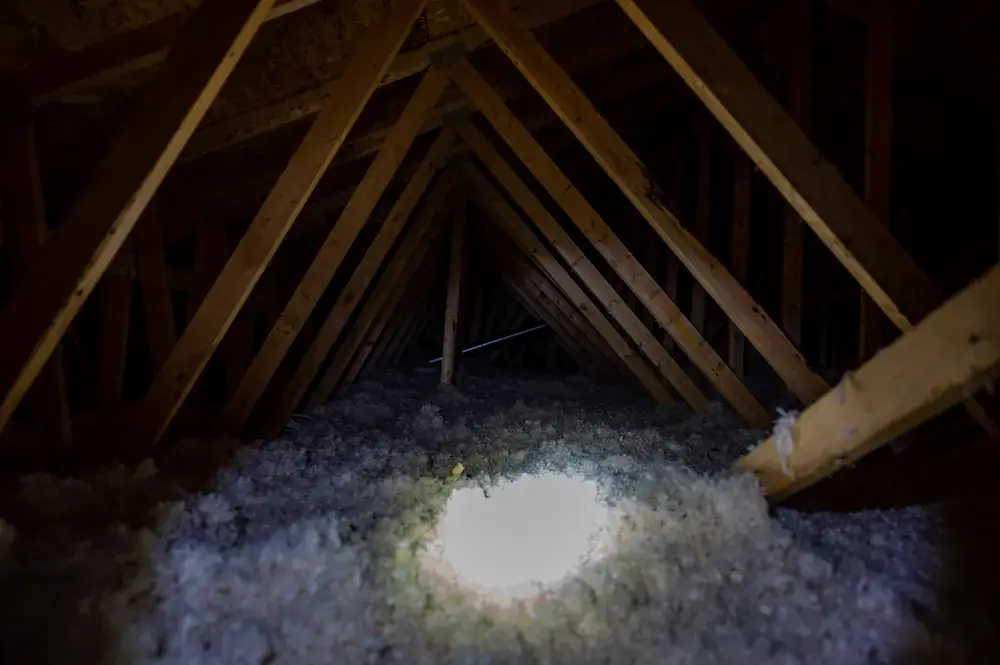
 Faint scratches or soft thumping noises can instantly draw your attention, and many homeowners are surprised by how frequently they happen. It’s common to question whether it’s the house settling or a hidden visitor moving about. These small mysteries happen more than most realize.
Many wildlife and pests announce themselves with subtle, steady sounds. Each animal, from raccoons and squirrels to birds and mice, creates distinctive noises that vary throughout the day. Careful listening can give you clues about what’s present.
With proper insight, identifying these sounds becomes far simpler. Noting their timing and location helps pinpoint the source. Once you understand what you’re hearing, deciding on the right next step feels much easier.
Tracing the Origin of Unusual Noises in Your Home
When something seems unusual, start by observing the basics. Pay attention to where the noise originates, how often it occurs, and how it behaves. These simple observations often reveal more than you expect and can ease some of the uncertainty. Even a few focused moments of listening can make a difference when wildlife or pests may be present.
As you record these details, a clearer picture begins to emerge. Patterns start to form, and small clues build on each other to narrow down potential explanations. Keeping a log of when and where the sounds occur can further clarify what’s happening.
Connecting your observations with the noise’s pattern makes it easier to identify the source. Once you recognize the full pattern, deciding how to respond feels much less daunting. Having a plan ready can prevent small issues from becoming bigger problems.
Home Wall Sounds Explained: Tips for Identifying Wildlife and Pests
Wall cavities provide shelter for a wide range of creatures, from tiny insects to larger wildlife. Rodents, raccoons, and other animals can slip into narrow spaces, while bigger animals often cause noticeable thumps and scratching. Homeowners commonly hear the following sounds:
- Scratches in Walls
Scratching sounds behind walls or above the ceiling often spark worry. Observing whether the noise remains in one area or travels can help you understand what’s causing it. Tracking its consistency is often revealing. Wildlife known for making these sounds include:
-
- Squirrels: Repeated, quick scratching during daylight hours often indicates squirrels moving through wall cavities or attic spaces.
- Carpenter Ants: Soft rustling or light tapping inside wooden beams or structures may signal the presence of active carpenter ants.
- Raccoons: Slow, deliberate scratching combined with heavier thuds at night usually points to raccoons traveling through walls or ceilings.
- Rats: Louder scurrying, persistent chewing, and pronounced nighttime rustling typically suggest rats exploring hidden areas.
- Mice: Light, rapid scurrying and occasional small chewing or rustling noises after dark are common signs of mice moving through concealed spaces.
- Heavy Dragging Sounds in the Walls
Deep, deliberate thuds or slow dragging noises from overhead or below often indicate a larger creature is navigating the space. They sound nothing like the light, quick scurries of squirrels. Animals frequently causing these noises include:
-
- Opossums: As they move through attic spaces or wall cavities, opossums produce slow, steady thumps, occasionally accompanied by light scratching.
- Raccoons: While searching for food within ceilings or walls, raccoons generate loud thuds along with clear, ongoing scratching sounds.
- Bumps in Your Attic or Crashes in the Garage
Larger animals often slip into attics and garages while searching for food or a safe hiding spot. The open structure of these areas makes every movement echo. The wildlife most commonly responsible includes:
-
- Birds: When caught inside, birds may beat their wings rapidly and collide with nearby surfaces, creating loud, erratic noises as they try to get free.
- Opossums: Their unsteady, stumbling movements can lead to thuds and knocked-over items as they forage through dark, cluttered spaces.
- Raccoons: Active mostly at night, raccoons often upset tools or containers, and their size makes each movement easy to hear.
- Rats: Bigger and more forceful, rats travel through hidden spots and generate clear sounds as they chew, move, and investigate.
- Mice: Quick and lightweight, mice dart through tight areas and may create soft rattles or taps when they brush against objects.
- Rustling in Vents or Chimneys
If you notice flapping wings or soft rustling where there shouldn’t be any, it may mean a bird or bat is stuck indoors. These sounds frequently echo from vents or chimney areas. The wildlife most often responsible includes:
-
- Bats: In tight areas like attics or vents, bats produce quick fluttering and sharp squeaking sounds as they search for a way out.
- Birds: When stuck, birds flap hard and strike nearby surfaces such as walls, vents, or chimneys, creating loud, frantic noise as they attempt to break free.
- Gnawing or Grinding in Walls
Because rodent teeth grow nonstop, they regularly grind down surfaces like wood, wiring, and plastic. This persistent gnawing usually becomes clearer after dark or around dawn. Wildlife often causing these noises includes:
-
- Rats: Mostly nocturnal, rats create louder sounds as they chew, scurry, and explore hidden areas during the night.
- Mice: Active primarily at night, mice move quietly while foraging, producing light scurrying and occasional rustling noises.
- Squirrels: Typically active during the day, squirrels make noticeable sounds as they navigate wall voids or squeeze through narrow spaces.
- A Buzzing or Humming in the Walls
If you hear nonstop buzzing or humming, stinging insects may be nearby. The noise comes from countless wings moving rapidly, especially during sunny, warm weather. Likely offenders include:
-
- Wasps and Hornets: Continuous, sharp buzzing or humming often indicates that wasps or hornets are active inside a wall cavity, usually building a nest.
- Bees: A steady, deep buzzing sound usually signals that bees are nesting within a wall or attic space.
- Ticking or Clicking Inside Walls
Walls emitting faint, persistent clicking or ticking sounds may be home to wood-destroying insects. These noises are usually more noticeable at night. Insects often responsible include:
-
- Termites: Continuous, subtle tapping or clicking inside walls typically shows termites feeding on wooden structures.
- Carpenter Ants: Soft, uneven ticking or light rustling sounds from wood often point to active carpenter ants.
- Thuds on the Roof
If you hear strong thuds or constant banging from above, it may mean animals are traveling across your roof. Roofs make it simple for wildlife to enter when seeking food or a safe place. Typical culprits include:
-
- Squirrels: Active during daylight, squirrels create quick scampering sounds and occasionally knock or roll nuts. Their movements are lighter and faster than those of larger animals.
- Tree Branches: On windy days, branches scraping or tapping the roof can sound like animals moving, making this a frequent non-pest source of noise.
- Cats: Soft, swift footsteps often occur at night or in the early morning and evening, sometimes accompanied by purring or meowing near entry points.
- Raccoons: Nocturnal raccoons produce heavy, deliberate steps and strong thuds, with their larger size making each movement highly noticeable.
Household Sounds Making You Nervous? Wil-Kil Pest Control Can Help
Minor noises like rustling or banging can quickly cause worry in homes throughout Wisconsin. Our inspections reveal which animal is responsible and where it tends to stay. Prompt intervention limits property damage and daily disruptions, and our proven methods keep wildlife out for good. Handling the situation early helps ensure a calm, secure home.
Stop pests and wildlife from taking over your home. Reach out to Wil-Kil Pest Control today.
Get A Free Quote
Inquiries
(800) 236-8735


