

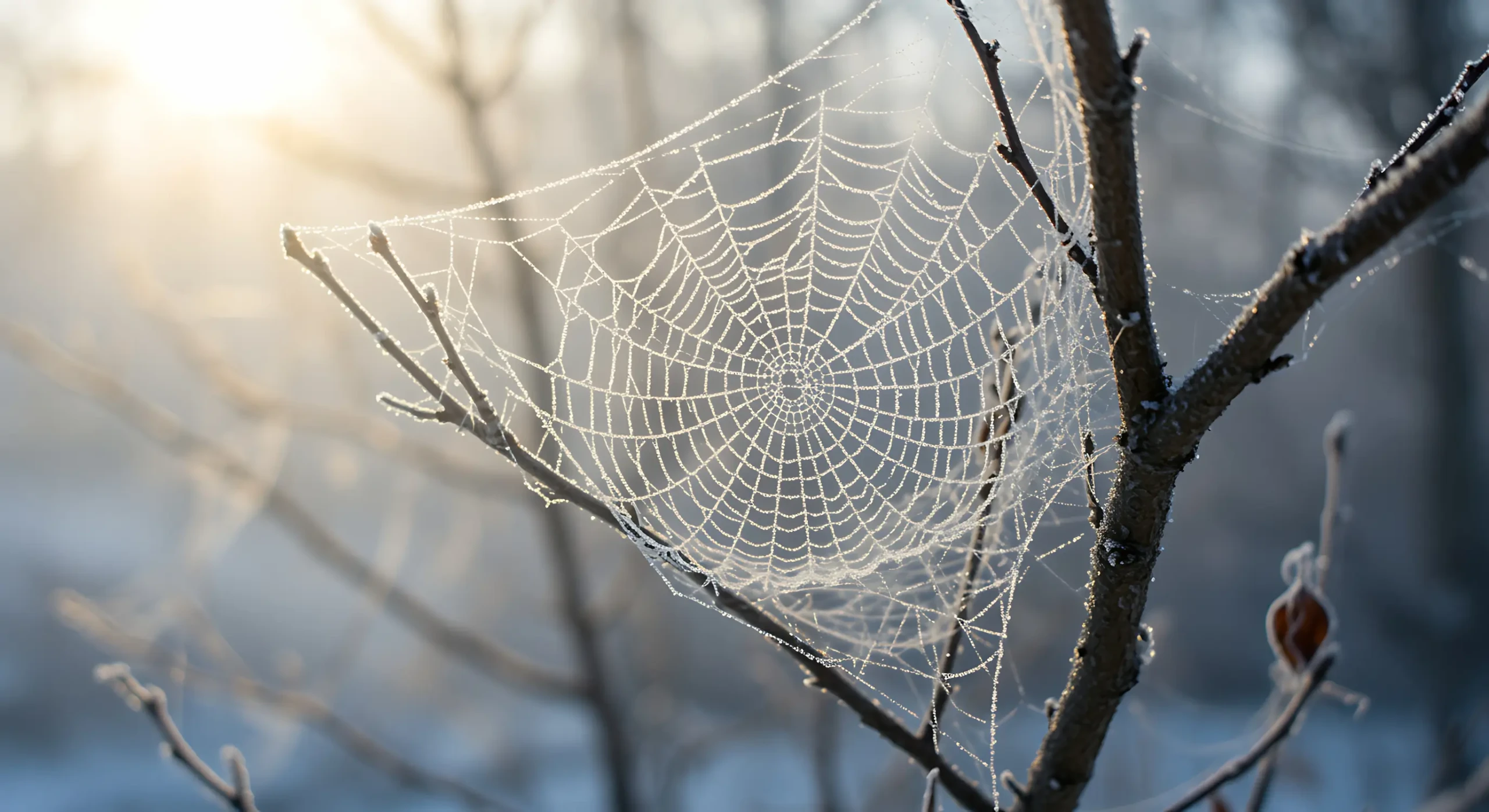
 Spider activity inside Wisconsin homes often rises as fall turns into winter. Cooling temperatures force insects and spiders to look for shelter indoors. When outdoor insects become scarce, indoor bugs offer a more reliable source of food. Homes provide both warmth and consistent prey.
Common indoor pests like cluster flies, fungus gnats, and beetles attract spiders during winter. These insects seek warmth inside and multiply quickly. Spiders follow closely behind once food becomes available. This pattern explains why spider sightings increase indoors.
Breeding cycles also contribute to winter spider activity in Wisconsin. Many spiders mate during colder months, increasing their movement. As a result, homeowners are more likely to notice them.
Where Do Spiders Spend the Winter If Not Indoors?
Most indoor winter spiders do not invade from outdoors. They have likely been present in your home long before temperatures began to drop. Cold weather alters their normal routines, pushing them to move more frequently as they hunt or seek mates. As a result, their presence becomes much more obvious.
Spiders that live near the ground often spend winter underground or hidden within tree bark. Web-building spiders tend to shelter in hollow logs, under siding, or among stacked firewood. Some species spin silk-lined retreats that act as insulation against harsh winter conditions.
Are Spiders More Likely to Enter Homes When It’s Cold?
Yes, but not every spider needs to move indoors during winter. Many species are well equipped to survive freezing temperatures outside. Their ability to tolerate cold allows them to remain outdoors all season. As a result, indoor sightings are only part of the overall spider population.
These spiders rely on natural defenses to make it through winter. Some produce antifreeze-like substances that protect their cells from freezing. Others take shelter under bark, within leaf litter, or underground, where temperatures stay more consistent, allowing them to remain dormant until warmer weather returns.
What Is the Winter Dormancy Period for Spiders?
In regions with mild winters, spiders may only be inactive for a short time. In colder areas, they can remain dormant for several months, often from late October through early April. This period is commonly mistaken for hibernation, but spiders actually enter a state called diapause, where their metabolism slows, feeding stops, and movement is minimal.
As days grow shorter and temperatures drop, spiders are triggered to seek out protected environments. They look for places where conditions stay consistent and safe. These shelters can include homes, loose bark, rock crevices, and other insulated outdoor spaces that allow them to survive winter.
How Do Spiders Survive Winter Conditions?
Spiders inside your home survive winter by feeding on indoor insects. These may include fruit flies near kitchens, moths in pantries, and other small pests that remain active indoors. With steady access to food, spiders can continue moving and hunting throughout winter.
Outdoor spiders reduce their feeding significantly during cold months. While they may catch the occasional insect, most rely on fat reserves built up during warmer seasons. To keep spider activity under control this winter, follow this multi-step approach:
- Control Moisture: Lower indoor humidity by running dehumidifiers and repairing any water leaks. Dry conditions make your home less inviting to spiders and the insects they rely on for food.
- Regular Cleaning: Maintain a steady cleaning routine. Vacuum at least once a week, focusing on baseboards, window frames, and ceiling corners where spiders and insects tend to gather.
- Use Natural Repellents: Apply natural deterrents in areas where spiders are active. Strong scents such as peppermint, eucalyptus, and citrus are effective and safe options that spiders prefer to avoid.
- Limit Outdoor Lighting: Reduce exterior lighting near doors and windows. Bright lights attract flying insects, which can draw spiders closer to your home.
- Hire Professionals: Reach out to professional spider exterminators. They can assess your home and create a customized plan to control and prevent spider activity.
Expert Winter Spider Removal in Wisconsin
Spiders can be a major nuisance in Wisconsin homes during the winter months. Contacting professional pest control experts ensures that infestations are managed quickly, safely, and humanely. Early action can prevent small problems from becoming more serious and difficult to handle.
At Wil-Kil Pest Control, we provide a comprehensive approach to spider management, blending effective removal with preventative solutions. Our team also offers advice and ongoing support to help keep your home spider-free long after treatment.
Don’t wait! Reach out to Wil-Kil Pest Control for your service quote today.
Get A Free Quote
Inquiries
(800) 236-8735


