

Health Risks Associated with Rodents
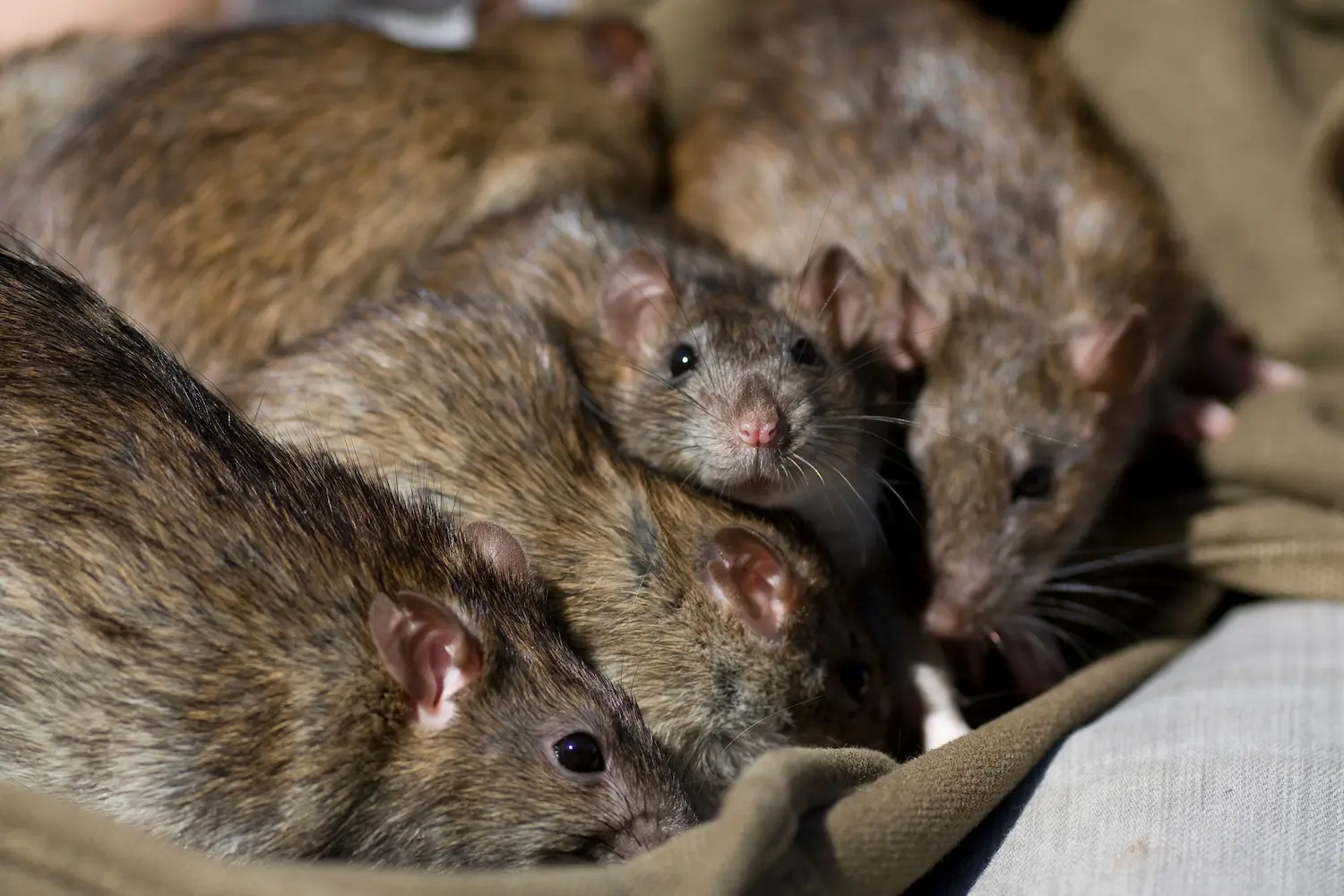 The average homeowner wouldn’t usually label a rodent infestation as a potential health threat, let alone a medical emergency. Usually, one immediately jumps to strategically positioning traps or discovering potential entry points and appropriately sealing those holes, perhaps contacting a pest management company for proper techniques.
Yet, the mice and rats entering your home can harbor a number of diseases that are easily communicable to humans. Classified as “vector-borne,” these are latent organisms residing within the animal without it displaying any exterior symptoms. For most, identifying a potential outbreak is virtually impossible.
These unwanted guests also bring secondary threats in the form of parasites that pose their own significant health concerns.
Below, we break down the most notable diseases and parasitic risks that rodents may introduce to your Wisconsin home and how to properly assess the danger.
10 Risks to Consider
-
Hantavirus & Hantavirus Pulmonary Syndrome
The most common disease within the rodent-to-human pathway is Hantavirus, specifically Hantavirus Pulmonary Syndrome. The deer mouse, a common perpetrator in U.S. home invasions located near wooded areas, hosts the virus without affecting its own body. Especially during the winter months, this rodent will take shelter in your home, seeking warmth and any open food sources. As it begins to drop feces and urinate throughout your living spaces, your risk for contracting the disease grows.
Humans are able to contract the disease through any contact with the rodent, including the airborne particles surrounding its urine or nesting materials. The disease’s initial phases very much resemble flu-like symptoms, such as muscle aches, fever, and exhaustion. As such, it’s important to receive proper medical care if you have a known rodent problem. Hantavirus Pulmonary Syndrome can be fatal, so waste no time receiving a proper diagnosis.
-
Leptospirosis
Much like Hantavirus, humans contract Leptospirosis through contact with the inflicted rodent’s urine and other bodily fluids. The bacteria are entirely capable of surviving beyond a few weeks, so it’s entirely possible that your food or liquids stored in the home will carry the bacteria. A rodent can urinate on your clothing as well, transmitting the disease through the fibers and coming into contact with your skin.
Leptospirosis can be mistaken for a host of other illnesses because of its initial symptoms, ranging from a high fever to diarrhea. If left untreated beyond the first four weeks, the disease may spread through the body and cause kidney or liver failure. Always consult a medical professional when handling rodents in your home.
-
Tularemia
The bacteria causing Tularemia is particularly notable due to its emergence in the animal’s tissue, often affecting humans when handling a rodent’s dead carcass. An infected rodent can pass along the disease through one’s skin, causing an ulcer to later appear at the site of handling the animal. These particles can damage any exposed mucus membrane in the body, including the eyes or lungs via inhalation.
Immediately upon contact with a rodent corpse, you should relay all relevant information to your doctor. Diagnosing Tularemia can be challenging for medical personnel on account of its rarity and resemblance to other ailments. Providing this critical detail can aid in this analysis and help the doctor prescribe the required antibiotics to cure the disease.
-
Salmonellosis
Rodents frequently contaminate food preparation surfaces, stored goods, and cooking utensils with Salmonella bacteria. As mice and rats traverse your kitchen counters and pantry shelves, their droppings and urine leave behind bacterial contamination that can persist for extended periods.
Consuming food that has come into contact with these contaminated surfaces leads to salmonellosis, characterized by severe gastrointestinal distress, fever, and abdominal cramping. Young children, elderly individuals, and those with compromised immune systems face heightened risk of serious complications.
Leave your information below and we’ll be in touch with a FREE quote! During normal business hours. After hours calls will be returned the next business day.Need a Pest Control Estimate?

-
Rat-Bite Fever
Despite its name, Rat-Bite Fever can be transmitted without an actual bite occurring. The bacteria responsible for this illness, Streptobacillus moniliformis, can spread through contact with rodent saliva, urine, or droppings, as well as through consumption of contaminated food or water.
Symptoms typically emerge within three to ten days following exposure and include fever, vomiting, muscle pain, and a distinctive rash. Without proper antibiotic treatment, rat-bite fever can progress to serious complications affecting the heart, brain, and other vital organs.
-
Lymphocytic Choriomeningitis (LCMV)
The common house mouse serves as the primary carrier of Lymphocytic Choriomeningitis Virus, making this disease particularly relevant for Wisconsin homeowners dealing with mouse infestations. Humans contract LCMV through exposure to fresh urine, droppings, saliva, or nesting materials from infected mice. The virus can also become airborne when disturbing rodent-contaminated areas during cleaning.
Initial symptoms mirror those of many other illnesses: fever, malaise, decreased appetite, and headache.
-
Fleas
Rodent-carried fleas are far more than a mere nuisance. These tiny parasites can transmit murine typhus, a bacterial infection that causes fever, headache, and body aches. In Wisconsin, where rodents seek indoor shelter during colder months, the risk of flea introduction increases substantially.
Fleas reproduce rapidly once inside your home, laying eggs in carpeting, upholstery, and bedding. A single rodent can introduce dozens of fleas into your environment, creating an infestation that persists long after the original host has been removed.
Additionally, fleas can transmit tapeworms to both humans and pets if accidentally ingested.
-
Ticks
Ticks carried by rodents pose an even more serious threat, particularly in Wisconsin where Lyme disease remains a significant public health concern. Mice serve as primary reservoir hosts for the bacteria that cause Lyme disease, and the ticks feeding on these rodents readily acquire and transmit the infection.
The black-legged tick, commonly known as the deer tick, frequently uses rodents as hosts during its juvenile stages before eventually seeking larger mammals, including humans.
-
Allergies & Other Respiratory Issues
Even without direct disease transmission, rodent presence in your home can trigger health problems. Rodent dander, urine proteins, and droppings contain potent allergens that become airborne and circulate through your HVAC system. For individuals with asthma or respiratory sensitivities, these allergens can provoke attacks and exacerbate chronic conditions.
-
Structural Contamination
Rodents don’t limit their damage to health concerns alone. Their constant gnawing behavior can compromise electrical wiring, creating fire hazards that endanger your family and property. In Wisconsin, where homes are sealed tightly against winter temperatures, rodent activity within wall cavities and attic spaces often goes undetected until significant damage has occurred.
Protect Your Wisconsin Home & Family
While DIY approaches may address surface-level concerns, comprehensive rodent control requires identifying all entry points, eliminating existing populations, and implementing preventive measures that protect your home long-term.
Our team understands the unique challenges Wisconsin homeowners face, from deer mice seeking shelter in rural properties to Norway rats establishing colonies in urban basements. We combine thorough inspection techniques with proven elimination strategies to address infestations at their source, not just their symptoms.
Don’t let rodents compromise your family’s health and safety. Contact us today for a comprehensive rodent inspection and customized control plan.
Please note: the illnesses detailed above have a relatively low infection rate percentage in the United States. However, when dealing with live animals, you should always take the necessary precautions and contact a professional at the first sign of a rodent issue in your home.


