

What Are the Most Common Fall Pests in Wisconsin?
Key Takeaways:
- Wisconsin homeowners face a specific influx of four major invasive pest species as autumn temperatures begin to drop.
- These particular insects are primarily drawn to specific exterior features of a home before they attempt to migrate indoors for winter hibernation.
- While these autumn invaders generally do not pose structural risks or bite, they carry distinct defensive mechanisms that can cause household damage and odor issues.
- Managing these seasonal infestations requires a fundamentally different approach depending on whether the insects are discovered on the exterior or interior of the property.
- Successful long-term eradication relies on proactive structural exclusion and timed preventative treatments rather than reacting after the insects have already entered winter dormancy.
Watch Out for These 4 Pests in the Fall!
As the summer warmth fades and temperatures start to cool, Wisconsin homeowners face a new set of seasonal challenges. This time of year, fall pests start appearing more and more often.
While a change of conditions can cause many different pests to come inside, in this article, we’re going to focus on four in particular. Asian lady beetles, boxelder bugs, brown marmorated stink bugs, and cluster flies are known as Wisconsin’s “Big Four” fall pests.
What do you need to know about common fall pests in Wisconsin? Where do they come from? Are they dangerous? How do you get rid of them? We’ll go over all of these questions and more.
1. Asian Lady Beetles
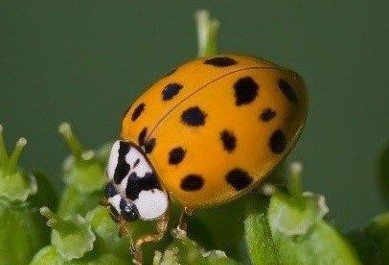 Native to Asia, these beetles were introduced to the U.S. in the 1960s to control agricultural pests. While they look similar to native, beneficial ladybugs, they are more aggressive and vary in color from tan to brilliant orange-red, usually featuring a distinct “M” shape on the shield behind their head.
- Fall Behavior: When autumn temperatures drop, Asian lady beetles congregate in massive numbers on the sunny, light-colored exteriors of homes to absorb residual heat before seeking indoor shelter for hibernation.
- Risks/Annoyances: Unlike native ladybugs, Asian lady beetles will bite or scrape at human skin. When threatened or crushed, they emit a foul-smelling yellow defense fluid that can permanently stain fabrics, walls, and furniture.
How Do You Prevent and Get Rid of Asian Lady Beetles?
To prevent them, meticulously seal gaps around window screens, attic vents, and fascia boards during the late summer. If they manage to get inside, do not crush them; instead, vacuum them up immediately and empty the canister outdoors so they cannot crawl back inside.
2. Boxelder Bugs
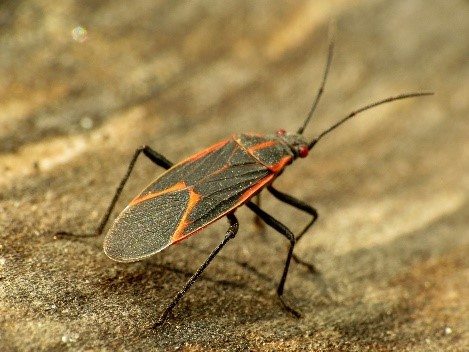 Boxelder bugs are easily identified by their flat, elongated black bodies highlighted with distinct red or orange markings along their wings and thorax. Their populations thrive in areas with abundant boxelder, maple, and ash trees.
- Fall Behavior: By late summer and early autumn, their population reaches its yearly peak. As the chill sets in, they swarm the south and west-facing exterior walls of homes, using any tiny gap in the siding or trim to slip inside.
- Risks/Annoyances: While they do not bite or cause structural damage, their sheer numbers can be overwhelming. Like lady beetles, they excrete a dark fecal fluid when disturbed that leaves unsightly stains on curtains, carpets, and walls.
How Do You Prevent and Get Rid of Boxelder Bugs?
The most effective long-term prevention strategy is removing female boxelder trees from your property. For immediate defense, apply a professional exterior perimeter treatment to the sunny sides of your home in September, and use a vacuum to safely remove any scouts that make it past the barrier.
Need a Pest Control Estimate?

Leave your information below and we’ll be in touch with a FREE quote!
During normal business hours. After hours calls will be returned the next business day.
3. Brown Marmorated Stink Bugs
 This invasive species from East Asia has rapidly expanded across southern and eastern Wisconsin. Brown marmorated stink bugs are roughly the size of a dime, featuring a unique speckled-brown, shield-shaped body and white-banded antennae.
- Fall Behavior: In September and October, they exhibit similar behavior to boxelder bugs by swarming sunny exterior walls. When temperatures dive, they migrate inward, packing into attics, crawlspaces, and window frames.
- Risks/Annoyances: Stink bugs do not sting or bite, but they earn their name when crushed or startled. They release a pungent, defensive odor that smells similar to a mix of strong cilantro and burnt rubber, which can linger in a room for hours.
How Do You Prevent and Get Rid of Brown Marmorated Stink Bugs?
Check and replace damaged window screens and install tight-fitting sweeps on exterior doors. If you find them inside your living space, gently sweep them into a container to release them outside, or vacuum them up (though be warned: your vacuum may smell like stink bug defense fluid for a short time afterward).
4. Cluster Flies
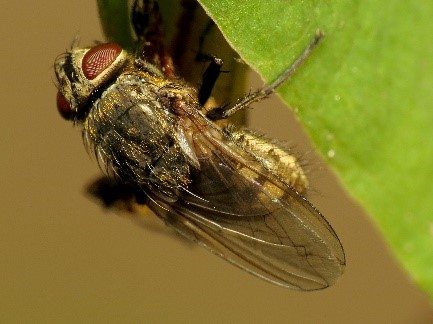 Slightly larger and much more sluggish than common houseflies, cluster flies have distinct golden hairs on their thorax. They are highly prevalent in Wisconsin because their larvae parasitize earthworms, which thrive in our rich, moist soil.
- Fall Behavior: As the autumn chill hits, they seek indoor shelter by crawling into small cracks and crevices, eventually gathering in large numbers — aka “clusters” — within dark, undisturbed structural voids.
- Risks/Annoyances: They do not lay eggs in human food or spread diseases like houseflies. However, they enter a state of winter dormancy (diapause) and will suddenly reawaken on unexpectedly warm winter days, flying sluggishly around windows and light fixtures in a confusing swarm.
How Do You Prevent and Get Rid of Cluster Flies?
Focus on sealing the highest points of your home, including ridge vents, soffits, and attic windows, as these flies prefer to enter high up. Once they are inside a wall void, localized chemical treatments are less effective, making physical removal with a vacuum your best option until spring.
How to Get Rid of Fall Pests: Inside vs. Outside
What should you do if you see these pests invading your property?
- If they are on the outside: Focus on exclusion. Additionally, consider a professional exterior perimeter barrier treatment. This application targets the specific exterior surfaces where these insects land, safely stopping them before they ever find a way inside your walls.
- If they are already inside: The most immediate remedy is to vacuum them up. Be sure to empty the vacuum bag or canister immediately so they don’t crawl back out. Keep in mind: while vacuuming treats the symptom, it doesn’t fix the root cause of the infestation.
Protect Your Wisconsin Home This Fall with Wil-Kil Pest Control
Don’t wait until pests are safely snuggled inside your walls for the winter. Taking proactive measures or signing up for an all-year pest prevention plan like PestFree365+ are the best ways to ensure a pest-free home all season long.
The seasonal pest control experts at Wil-Kil Pest Control can identify hidden entry points around your property and provide safe, effective, and family-friendly pest management solutions tailored to Wisconsin’s unique seasonal patterns.
Contact Wil-Kil Pest Control today to schedule your fall maintenance service!


