

Locate Mosquito Larvae Early to Prevent Infestations
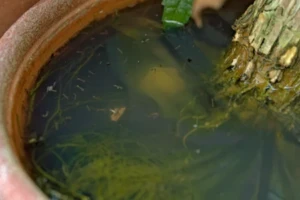
Mosquitoes can quickly ruin any outdoor relaxation, but Terminix Wil-Kil Pest Control offers proven ways to control them. Our team also provides guidance on how to spot potential problem areas before they become breeding grounds. We target breeding sites at their source, stopping larvae before infestations grow. Regularly checking common water areas and removing standing water helps keep mosquito numbers down, even in warm climates.
Where Are Mosquitoes Likely to Lay Eggs?
Mosquitoes can lay eggs in even tiny amounts of water. Keeping an eye on these areas early prevents larvae from reaching adulthood. Regular checks help you spot problem spots before they multiply. Check areas such as:
- Birdbaths
- Puddles
- Stagnant Ponds
- Flower Pots
- Marshes
- Clogged Gutters
- Ditches
Mosquito larvae can emerge from eggs laid in surprisingly small water pockets. Eliminating these sources helps reduce overall mosquito numbers.
What Are Some DIY Methods for Preventing Mosquito Larvae?
Mosquitoes don’t need to be numerous to disrupt outdoor enjoyment. Every bite fuels their reproductive cycle, increasing the number of mosquitoes near your home. Ignoring the problem can allow populations to explode and make control more challenging.
Taking action early is key to controlling mosquitoes effectively. By eliminating eggs and larvae before they mature, you can significantly reduce future infestations. The DIY methods below are designed to stop them at the source:
- Dish Soap or Shampoo: Add a small amount of liquid dish soap or shampoo to a gallon of standing water and stir gently. This breaks the water’s surface tension, causing mosquito eggs and larvae to sink and die.
- Oil: Pour a thin layer of olive or vegetable oil over standing water. The oil forms a barrier that cuts off oxygen, suffocating mosquito eggs and larvae. Avoid using oil in ponds or birdbaths, as it can harm fish, birds, and other wildlife.
- Vinegar: Mix apple cider vinegar into small containers of standing water, such as birdbaths, so that it makes up about 15 percent of the total volume. This can disrupt larval growth, though it is somewhat less effective at eliminating mosquito eggs.
Household items can be surprisingly effective against mosquito larvae. They offer a convenient method for targeting breeding areas. The faster you act, the simpler it is to stop the infestation from spreading.
Need a Pest Control Estimate?
Do Mosquito Larvae Need Stagnant Water to Survive?
Mosquito larvae cannot survive without water. Female mosquitoes lay their eggs in still, calm water, providing a safe place for the larvae to grow. Acting early at this stage makes it much easier to disrupt their development.
After hatching, larvae remain submerged, feeding and maturing through several stages. They eventually transform into pupae before emerging as adult mosquitoes ready to continue the reproductive cycle.
Removing standing water halts this process before it progresses. Clearing breeding areas interrupts the life cycle and helps control future mosquito populations. Taking prompt action can drastically reduce mosquitoes around your property.
How Do You Identify Mosquito Larvae Before They Multiply?
Mosquito larvae, or “wigglers,” swim in a side-to-side pattern that makes them easy to identify once you know what to look for. Their small, beige or brown worm-like bodies can survive in even the tiniest water sources.
Many people confuse them with tadpoles, which are larger and have smooth tails. Mosquito larvae differ in their segmented bodies and tendency to stay near the water’s surface to get oxygen. Understanding these traits allows for faster intervention.
Early identification of mosquito larvae is essential to controlling infestations. The sooner you find them, the easier it is to remove breeding sites. Taking prompt action can help maintain a mosquito-free yard.
Does Pouring Out Standing Water Kill Mosquito Larvae?
Mosquito larvae thrive in any standing water found in birdbaths, wheelbarrows, or other containers. Pouring this water onto dry soil removes the larvae quickly and efficiently, since they cannot survive without it. Be sure the soil is completely dry for the best results.
Even minimal water can allow larvae to grow, so it’s important to monitor containers often. Regularly draining water keeps mosquito populations in check and stops larvae from returning, ensuring your yard stays pleasant and usable.
How Quickly Do Mosquito Larvae Grow into Adults?
In only a day or two, mosquito eggs can hatch into larvae, making them incredibly vulnerable during this early stage. Eliminating standing water during this window prevents eggs from turning into larvae, keeping your yard more enjoyable. After hatching, larvae grow rapidly and may reach adulthood in just one to two weeks, which makes prompt intervention essential. Early action also reduces the risk of multiple generations forming quickly.
Mosquito control professionals are skilled at finding breeding areas that are easily missed by homeowners. Their services not only reduce mosquito numbers but also help maintain outdoor spaces that are comfortable and safe for everyone. By addressing the problem at its source, they prevent eggs and larvae from turning into full-grown mosquitoes.
Prevent and Eliminate Mosquito Infestations with Terminix Wil-Kil Pest Control
Mosquito control can be overwhelming, but Terminix Wil-Kil Pest Control makes it simple. Our experts locate and treat breeding sites that often go unnoticed, ensuring no area is left unchecked. Removing every source prevents eggs and larvae from becoming adult mosquitoes, so your outdoor spaces stay comfortable.
Enjoy your yard without the annoyance of mosquitoes. Contact Terminix Wil-Kil Pest Control and let our experts handle the problem.
Back to Residential Mosquito and Tick Control