

Essential Tips to Stop Ticks in Your Outdoor Spaces
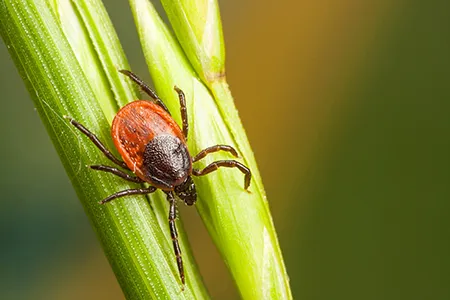
Key Takeaways:
- Clear away leaf piles, tall weeds, and yard debris to remove common tick hiding and breeding areas while keeping your yard neat.
- Keep your lawn trimmed and well-maintained to reduce the damp, shaded conditions where ticks are most likely to thrive.
- Add plants like lavender, sage, or daffodils to help deter wildlife that can carry ticks into your yard.
- Secure trash cans and remove outdoor food scraps to avoid attracting deer, rodents, and other tick-carrying animals.
- Create a 2-foot-wide barrier of gravel or wood chips along your yard’s edge to help limit tick movement from nearby wooded areas.
Ticks don’t need to be present in large numbers to become a problem for your household and pets. They can spread disease, and their bites often go undetected. Working with Wil-Kil Pest Control on prevention can help reduce risks and improve your outdoor environment.
Warmer weather in Wisconsin brings higher tick activity, which raises the chances of contact. Wil-Kil Pest Control delivers reliable tick control services to keep your yard safer and easier to enjoy.
Ways to Reduce Ticks in Your Yard and Garden
Pest behavior is often shaped by the conditions in your yard. The design of your landscape, the plants you choose, and nearby natural areas all contribute to where pests settle. Understanding these factors can guide better control decisions.
Keep ticks out of your yard and garden with these simple tips:
- Reduce Wildlife That Brings Ticks
- Discourage Deer Through Landscaping
- Maintain a Well-Kept Lawn
- Build Barriers to Stop Tick Spread
- Remove Yard Waste and Leaf Piles
Tip #1: Reduce Wildlife That Brings Ticks
Because ticks cannot move very far independently, they rely on animals to spread. Small rodents like mice and voles, along with raccoons, opossums, and some birds, frequently bring ticks into yards as they forage or nest. Knowing which animals carry ticks can help you plan better prevention.
Reducing the number of these animals near your property can greatly cut down tick populations. Fewer ticks mean a lower risk of bites from dog ticks or lone star ticks, helping keep outdoor spaces safer.
Take These Actions:
- Eliminate Hiding Spots: Clear away brush piles, old logs, and yard debris that mice and voles may use for nesting or shelter. Keeping these areas tidy helps make your yard less inviting to pests.
- Secure Food Sources: Store pet food indoors, seal trash cans tightly, and remove outdoor scraps quickly to avoid attracting wildlife such as raccoons or opossums. Limiting food access helps keep rodents away.
- Manage Rodent Populations: For larger infestations of mice or voles, use snap traps in secure, covered stations placed away from children and pets, or contact a professional pest control service for assistance. This approach helps reduce rodent numbers safely.
Tip #2: Discourage Deer Through Landscaping
Deer visiting your yard can have a direct impact on tick populations. These animals serve as hosts for deer ticks, which are often carriers of Lyme disease, complicating pest control efforts.
With each trip through your property, ticks are left behind. This heightens the risk of encounters for your family and pets, as well as the potential for disease transmission.
Take These Actions:
- Install Fencing: Erect a sturdy fence at least 8 feet high for the best deer protection, though shorter, well-kept fences can still be effective. Select the height and style that work best with your yard’s design.
- Use Motion-Activated Sprinklers: These sprinklers safely startle deer and discourage them from entering your property. Position them along the routes deer usually travel for maximum impact.
- Apply Deer Repellents: Use commercial deer repellents to keep animals away, especially formulas with putrescent egg solids, coyote urine, or capsaicin. Reapply regularly, especially after rain, to maintain protection.
- Plant Deer-Repelling Vegetation: Deer typically avoid plants with strong scents, fuzzy leaves, or toxic traits. Adding these types of plants to your landscaping can make your yard less inviting to deer and may also help reduce tick activity indirectly.
| Deer-Repellent Plant | How It Works |
|---|---|
| Lavender | Strong, distinct aroma |
| Peonies | Unappealing scent and taste |
| Coneflower | Rough, prickly texture |
| Yarrow | Strong, aromatic leaves |
| Sage | Highly aromatic foliage |
| Daffodils | Toxic bulbs and leaves |
Tip #3: Maintain a Well-Kept Lawn
Uncontrolled vegetation and overgrown areas give ticks the damp, shaded conditions they need, and a well-kept yard not only limits these habitats but also makes it easier to catch pests early.
Take These Actions:
- Trim Shrubs and Trees: Routinely prune branches and foliage, focusing on areas over patios or walkways, to eliminate shaded hiding spots favored by ticks.
- Frequent Lawn Mowing: Mow your lawn regularly, keeping grass short in areas where children and pets play, which reduces damp, shaded zones where ticks thrive.
- Remove Seed, Fruit, and Nut Producing Plants: Eliminate plants that draw birds, rodents, and other wildlife that may carry ticks, lowering the risk of infestation.
- Clear Tall Grasses and Brush: Create a clear boundary between dense vegetation and your yard, making it harder for ticks to move in.
Tip #4: Build Barriers to Stop Tick Spread
Shaded, damp spots caused by dense vegetation and leaf accumulation are perfect for ticks. Laying down gravel or wood chips interrupts these habitats and limits their activity, forming a natural protective layer.
Separating your yard from adjacent wooded areas adds extra security. This clear division helps prevent ticks from venturing into spaces frequently used by pets and family members.
Take These Actions:
- Maintain Cleanliness and Dryness: Regularly clear leaves, debris, and any materials that hold moisture or shelter ticks. Ensure the area gets plenty of sunlight so it dries quickly after rain, keeping it an effective deterrent.
- Choose the Right Material: Fill the trench with dry substances like gravel or crushed stone to create a warm, dry surface that ticks avoid. Thick wood chips or mulch also work, but steer clear of fine organic mulches that trap moisture.
- Create a Buffer Zone: Locate where your yard meets woods, stone walls, or dense vegetation. Dig a shallow trench 1 to 2 feet wide along this edge to focus the barrier and protect high-use outdoor areas.
Tip #5: Remove Yard Waste and Leaf Piles
Leaves, grass clippings, and other yard debris create cool, sheltered spots where ticks can hide. Keeping these areas clean helps lower tick activity and keeps your yard tidy.
Take These Actions:
- Dispose of Old Furniture, Tires, and Trash: Unused or abandoned items can create dark, sheltered spots that attract ticks. Remove them promptly to reduce potential tick habitats in your yard.
- Rake and Remove Leaves: Leaf litter provides perfect hiding places for ticks. Regularly rake leaves from lawn edges and areas near woods, and dispose of them quickly to limit shelter.
- Move Brush and Wood Piles: Brush and log piles create cool, damp environments where ticks thrive. Keep them away from homes and high-traffic areas, and stack them neatly so they dry thoroughly.
- Manage Grass Clippings: Bag and remove grass clippings promptly to prevent ticks from hiding. When using mulch, spread it in a thin, fast-drying layer and avoid leaving large piles.
- Maintain Your Compost Pile: Turn compost often to promote decomposition, which generates heat that deters ticks. Place the pile away from areas frequented by children and pets.
Keep Your Family and Yard Safe from Ticks with Wil-Kil Pest Control
No yard is completely immune to ticks, even with careful maintenance. Frequent lawn care and landscaping reduce their presence, but persistent infestations might need the help of a professional. When ticks keep appearing, experts offer the most effective solutions.
Residents in Wisconsin rely on Wil-Kil Pest Control for comprehensive tick control. Our specialists tackle ticks at their source and design treatment plans tailored to your home, providing lasting protection for both people and pets.
Don’t let ticks ruin your outdoor space. Call Wil-Kil Pest Control for professional inspection services today.
Back to Residential Mosquito and Tick Control


