

7 Things Every Homeowner Should Know About Raccoons
Serving Sun Prairie, WI
Key Takeaways:
- Raccoons typically avoid people, but they become defensive if they feel trapped or are protecting their young.
- Homes in Wisconsin provide raccoons with everything they need, including reliable food sources, water, and sheltered places to nest.
- Raccoons spread diseases and parasites while causing expensive damage to roofs, attics, chimneys, insulation, and electrical systems.
- Reducing food sources and sealing potential entry points are some of the best ways to discourage raccoons from staying on your property.
- If raccoons have entered your home or a nearby animal is displaying unusual or aggressive behavior, contacting a professional wildlife removal company is the safest course of action.
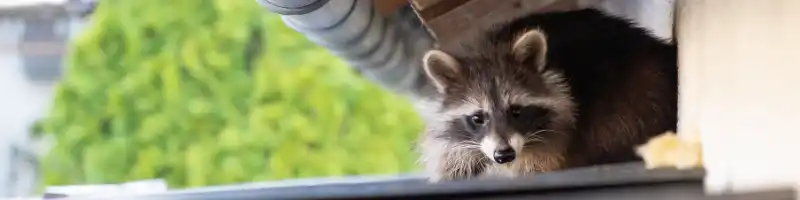
Raccoons have earned a reputation for being clever, resourceful, and adaptable. They may seem harmless from a distance, but these nocturnal animals become a costly nuisance once they wander onto your Wisconsin property. Whether they’re raiding garbage cans, nesting in an attic, or damaging your home’s exterior, raccoons can create bigger problems than many homeowners expect.
Because raccoon activity is so common, our wildlife specialists regularly answer questions from concerned homeowners. That’s why we’ve compiled seven of the questions we hear most often, along with quick answers before we dive into each topic in detail. If you’d like to jump directly to a specific section, simply click on the question below.
- What Do Raccoons Eat? Raccoons have a varied diet that includes fruits, insects, fish, small animals, pet food, birdseed, and discarded human food.
- Why Do Raccoons Move Into Neighborhoods? They’re looking for reliable food, water, safe nesting locations, and shelter from predators and the weather.
- When Are Raccoons Most Active? Raccoons are primarily active after sunset and throughout the night.
- Are Raccoons Dangerous? Most raccoons avoid confrontation, but they can become aggressive if threatened or protecting their offspring.
- Can Raccoons Damage My House? Yes. They frequently damage roofs, vents, insulation, soffits, wiring, and other structural components.
- What Are the Signs of Raccoons Around My Home? Tracks, droppings, overturned garbage, damaged entry points, and nighttime noises are all common indicators.
- How Can I Prevent Raccoons? Eliminate food sources, secure trash containers, and seal openings that wildlife can use to enter your home.
Need a Pest Control Estimate?

Leave your information below and we’ll be in touch with a FREE quote!
During normal business hours. After hours calls will be returned the next business day.
Frequently Asked Questions About Raccoons
If you’ve ever discovered overturned trash cans or heard noises coming from your attic after dark, you’re not alone. Below, we’ll answer some of the most common questions homeowners ask about raccoons. If you don’t find the information you’re looking for, our wildlife professionals are always happy to help.
Residential neighborhoods provide easy meals. Outdoor pet food, birdseed, unsecured garbage, compost piles, and leftover food all attract raccoons. Raccoons almost always choose the easiest meal available, which is why proper food storage is one of the most effective prevention strategies.
Food isn’t the only reason. Homes also provide protected denning sites where raccoons can safely rest and raise their young. Attics, crawl spaces, sheds, chimneys, and areas beneath decks offer shelter from predators and severe weather. Once raccoons discover a secure location, they tend to keep returning until the area is properly excluded.
Seeing a raccoon during daylight hours doesn’t automatically mean it has rabies, but unusual daytime activity can sometimes indicate illness, injury, or displacement. If you encounter a raccoon behaving abnormally, observe it from a safe distance and avoid any direct interaction.
Raccoons also carry diseases and parasites capable of affecting both humans and pets. Rabies is the disease most people associate with raccoons, but they can also transmit leptospirosis, raccoon roundworm, distemper, and other illnesses. If you notice a raccoon acting strangely, keep your distance and contact a wildlife professional.
Signs that a raccoon may be sick or infected with rabies include:
- Unusual Daytime Movement: Raccoons are primarily nocturnal, so daytime wandering can sometimes indicate illness.
- Aggressive Behavior: Charging, growling, biting, or showing little fear of people or pets signals that there may be a problem.
- Disorientation: Walking in circles, appearing confused, or wandering aimlessly can indicate neurological issues.
- Difficulty Walking: Staggering, dragging limbs, or losing balance are signs of serious illness.
- Drooling or Foaming: Excessive saliva, foaming around the mouth, or difficulty swallowing are commonly associated with rabies.
- Unusual Vocalizations: Persistent screeching, chattering, or other abnormal sounds indicate distress.
- Poor Overall Condition: Raccoons that appear weak, lethargic, injured, or poorly groomed should always be avoided.
After entering a building, they’ll destroy insulation, chew ductwork, damage electrical wiring, and contaminate living spaces with droppings and urine. These conditions require professional cleanup and costly repairs after the wildlife has been removed.
If raccoons have moved into your home, you may hear scratching, thumping, or heavy movement coming from the attic, crawl space, or beneath a deck after dark. Torn soffits, damaged vents, droppings, and visible entry holes are additional warning signs. Raccoons are primarily active overnight, so they’re usually seen during the evening or early morning hours.
The following prevention tips can reduce raccoon activity around your home:
- Secure Garbage Containers: Use locking lids or wildlife-resistant trash cans that prevent raccoons from accessing food waste.
- Seal Potential Entry Points: Repair damaged soffits, vents, roof openings, crawl space access points, and other exterior gaps.
- Remove Outdoor Food Sources: Bring pet food and water bowls inside each evening and clean up spilled seed or food.
- Maintain Fruit Trees and Gardens: Harvest produce promptly and remove fallen fruit before it attracts wildlife.
- Keep Your Yard Tidy: Regularly clean up birdseed, nuts, compost, and other food sources around your property.
- Trim Overhanging Branches: Cut tree limbs away from the roof to make attic access more difficult.
- Call a Wildlife Professional: If raccoons keep coming back or have already entered your home, professional trapping, removal, and exclusion services provide the most reliable solution.
Professional Raccoon Removal from Wil-Kil Pest Control
While it may seem tempting to trap or remove raccoons yourself, professional wildlife control is the safer and more effective option. Wildlife technicians understand local regulations, use humane removal methods, and know how to identify and seal the entry points that allowed raccoons inside in the first place.
Attempting DIY raccoon removal can put you at risk of bites, scratches, disease exposure, and legal issues related to wildlife handling. For more than 100 years, Wil-Kil Pest Control has helped homeowners throughout Wisconsin safely remove nuisance raccoons and protect their homes with professional exclusion services.
If raccoons are causing problems around your property, don’t wait for the damage to become worse. Contact Wil-Kil Pest Control today for a free estimate and let our wildlife specialists provide a fast, effective solution.
Back to Wildlife Control and Removal
Related Post From Our Blog

Common Pests of the Food Service Industry
Pests are a serious concern for the food service industry, jeopardizing food safety, business reputation, and adherence to health regulations. Effective pest control measures are essential to maintaining a clean environment for both staff and [...]
Boxelder Bug Pest Control for Businesses
Dealing with pests in a commercial setting can be especially challenging, and among the array of potential invaders, boxelder bugs can be especially alarming. If your place of business has encountered a boxelder bug issue, [...]
Commercial Rodent Exclusion: Protecting Your Business
As winter approaches, commercial establishments face a common and persistent threat – rodent infestations. Rodents, including rats and mice, are notorious for seeking shelter and warmth indoors during the colder months. Not only can these [...]


